


Freeze-Dried Food and 700 Years of Freeze-Drying History
Freeze-drying removes water while preserving much of the food's original flavour, appearance and nutritional value.
Freeze-dried food is valued for its long shelf life, low weight and ability to retain flavour and nutritional value. The freeze-drying process behind it has been for more than 700 years.
How the Incas Solved the Problem of Long-Term Food Storage

The principle behind freeze-drying is surprisingly simple: water in the form of ice is removed directly from frozen food through sublimation. While modern freeze-drying technology is highly advanced, the basic concept is not new. The Incas were already taking advantage of the same natural process centuries ago.
In the Peruvian Andes, potatoes and other crops were placed at high altitudes, including areas around Machu Picchu. The combination of low atmospheric pressure and low temperatures created natural conditions similar to those used in modern freeze-drying. Food could therefore be preserved for extended periods without salt, preservatives or other additives.
What Is Freeze-Drying?
Freeze-drying, also known as lyophilization, is a controlled drying process that takes place in several stages.
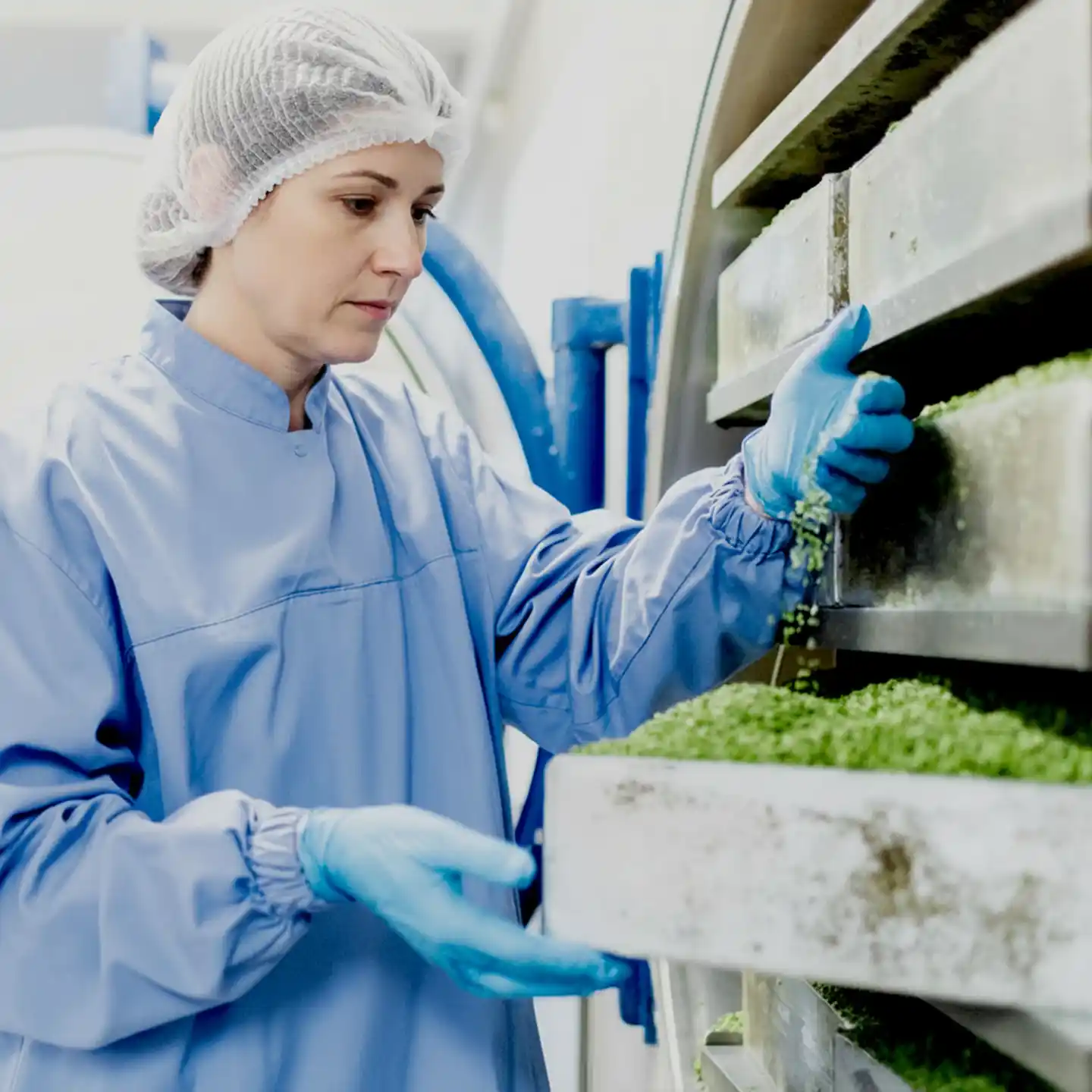
Freezing – food is rapidly frozen, typically between –20 °C and –80 °C, depending on the product and technology used.
Primary drying (sublimation) – under reduced pressure, ice contained within the food passes directly from a solid state to a gaseous state without becoming liquid.
Secondary drying (desorption) – residual bound water is removed from the food.
The process may take several hours or several days. Because the food is not exposed to high temperatures, much of its nutritional value, aroma, colour and structure can be preserved. Final moisture content is typically very low, usually around 1–5%, which contributes to a long shelf life when products are packaged in materials that protect against oxygen, moisture and light.
Freeze-dried food retains many of the characteristics of fresh food, including flavour, appearance and nutritional quality. It is also lightweight and, when properly stored, can remain stable for many years.
The resulting product is porous and brittle, making it easy to rehydrate simply by adding water.
Freeze-Dried Is Not the Same as Dehydrated
The English term freeze-dried refers specifically to food preserved through freeze-drying. Freeze-dried food differs significantly from dehydrated food, where water is removed using elevated temperatures.
During dehydration, heat can cause changes in the composition of food, including partial degradation of heat-sensitive nutrients, particularly certain vitamins. Flavour, colour and appearance may also be altered.
Freeze-drying, by contrast, takes place at low temperatures and reduced pressure. As a result, it generally preserves nutritional and sensory properties more effectively. However, the process is technologically more demanding, takes longer and is usually more expensive.
Freeze-Drying
Process
Freezing + sublimation
Nutritional value
Largely preserved
Flavour and colour
Largely preserved
Processing costs
Higher
Shelf life
Longer when properly stored
Final product
Porous structure with properties closer to the original food
Dehydration
Process
Heat drying
Nutritional value
Partially reduced
Flavour and colour
Often altered
Processing costs
Lower
Shelf life
Generally shorter
Final product
Reduced rehydration ability and more noticeable structural changes
The History of Freeze-Drying Technology
One of the earliest scientific advances in freeze-drying was achieved by Richard Altmann in the late nineteenth century, when he developed methods for freeze-drying biological tissues for histological research.
In 1906, Jacques-Arsène d'Arsonval and Frédéric Bordas built one of the first modern laboratory freeze-dryers. In 1909, Leon Shackell improved the process through the use of an electrically powered vacuum pump. Prior to this, reduced pressure was often created through the evaporation of diethyl ether, which allowed only limited control over processing conditions.
Freeze-Drying in Medicine and Life-Saving Applications
From Astronauts to Everyday Consumers
Following World War II, freeze-drying found broader commercial applications.
Because freeze-dried food is lightweight, easy to transport and has a long shelf life without refrigeration, it became a standard component of space food programmes.
The food industry began adopting freeze-drying technology during the 1960s, initially for instant coffee and later for fruits, vegetables and snack products.
Today, freeze-dried food includes a wide range of products, from fruits and vegetables to complete freeze-dried meals, soups, breakfasts, desserts and specialised outdoor nutrition.
When you see the term freeze-dried on packaging, it is not a marketing slogan. It describes a food preservation process with more than 700 years of history and decades of scientific development.
Who Uses Freeze-Dried Food?
Freeze-dried meals provide a practical solution for a wide range of users.
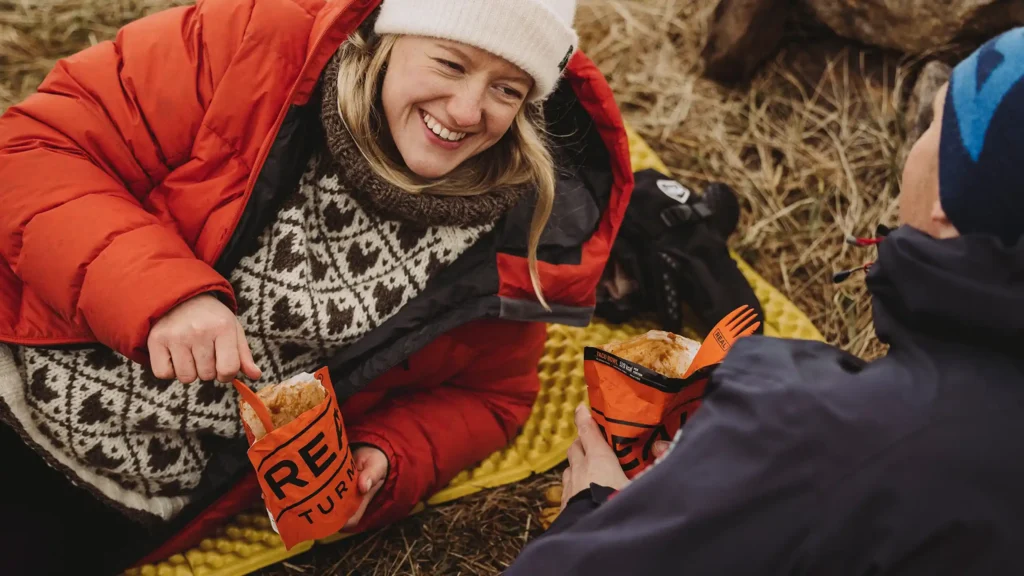
They are popular among mountaineers, hikers, campers, endurance athletes, sailors and expedition teams because of their low weight, long shelf life and independence from refrigeration.
Preparation is simple and usually requires only the addition of hot water, often directly into the original package. After a short rehydration period, the meal is ready to eat while retaining much of its flavour, texture and nutritional value.
About the Author
Frequently Asked Questions
Freeze-dried food is food preserved through freeze-drying, a process that removes water by sublimation under low pressure and low temperature conditions.
Freeze-drying generally preserves much of the food's original nutritional value, flavour, colour and structure.
Freeze-drying removes water through sublimation, while dehydration removes water using heat. Freeze-dried food typically retains more of its original properties.
When properly packaged and stored away from oxygen, moisture and light, freeze-dried food can remain usable for many years.
Freeze-drying requires specialised equipment, low-pressure environments, low temperatures and significantly longer processing times compared to conventional drying methods.